Why Hoolystars Script Feels Like a Handwritten Conversation
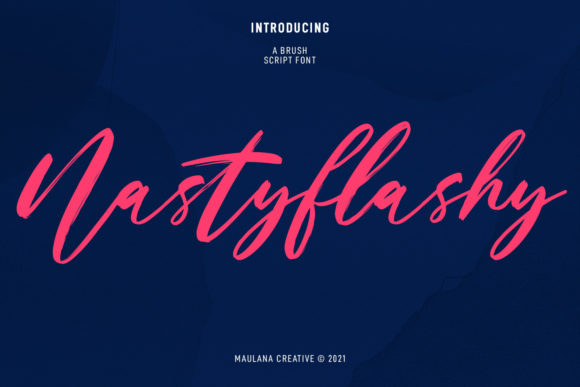
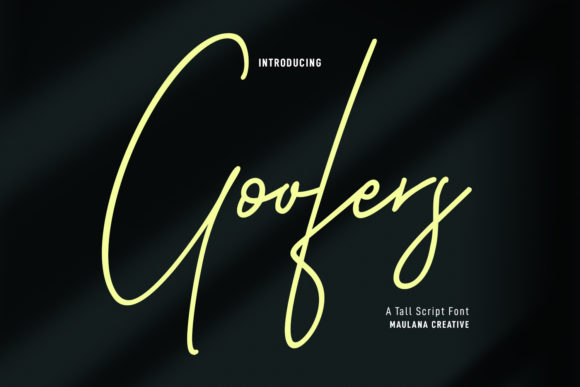
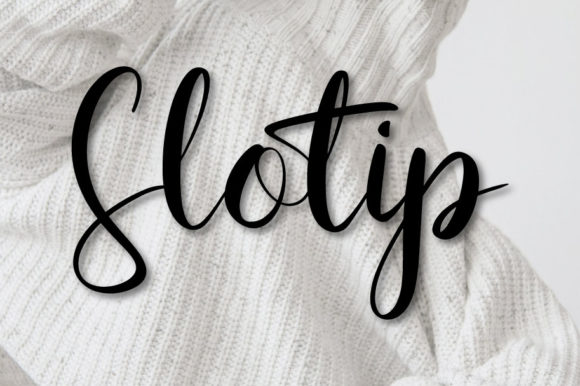
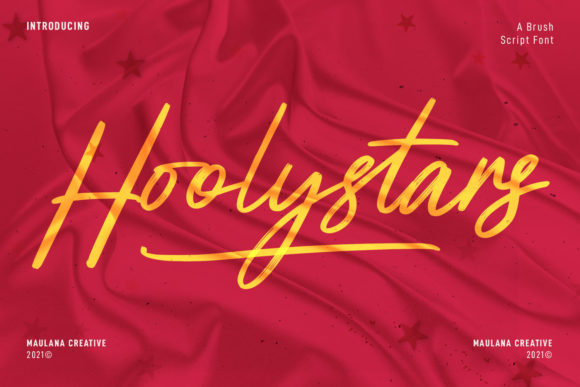
There's a specific kind of magic in a font that feels both personal and polished. It's the difference between a generic sign and a note from a friend. Hoolystars Script captures that feeling. It's a premium font that doesn't just sit on the page; it leans in, with a casual, confident slant that suggests movement and personality. This isn't a rigid, formal script. It's a brush casual script, meaning each letter carries the texture and flow of a real brushstroke, but with a consistency that makes it incredibly versatile for professional work.
The character of Hoolystars is in its details. Look closely and you'll see the subtle variations in thickness, the gentle curves, and the playful ligatures that connect certain letters in a way that feels natural, not forced. The swashes—those elegant flourishes at the beginning or end of letters—are available but not mandatory, giving you control over how much flair you want to add. This makes it a wonderfully adaptable creative font. It can be the star of a show or a supporting player in a larger typographic system.
Where This Typeface Truly Shines
Understanding where a font works best is about matching its personality to the project's goals. Hoolystars Script excels where you want to inject warmth, approachability, and a handcrafted feel. Think about your brand identity. If you're a boutique baker, a freelance consultant, or a lifestyle blogger, this typeface can become the cornerstone of your visual voice. It communicates authenticity without sacrificing readability, which is a rare and valuable trait in a handwritten font.
In logo design, Hoolystars offers a fantastic balance. It's distinctive enough to be memorable, yet its clean brushstroke ensures it remains legible even at smaller sizes, like on a business card or a website favicon. For social media graphics, it's a powerhouse. Imagine it on Instagram stories, quote graphics, or promotional posts. It cuts through the visual noise because it feels human, not generated. This human touch is critical for audience engagement in a digital space crowded with sterile sans serif fonts.
Beyond the screen, its applications are equally compelling. In editorial design, use it for chapter titles in a book or for pull quotes in a magazine to add a dynamic, personal accent. For packaging design, especially for artisanal products, cosmetics, or gourmet foods, it conveys quality and care. It’s a display font that tells a story before the customer even reads the words. Even for personal projects—like wedding invitations, greeting cards, or scrapbooking—it brings a level of sophistication that elevates the entire craft.
The Practical Side: Choosing and Using Hoolystars
Choosing a font is a practical decision as much as an aesthetic one. The first step is always to evaluate the project fit. Ask yourself: What is the core message? Is it friendly, luxurious, energetic, or serene? Hoolystars leans toward the friendly and energetic, with a touch of elegance. If your project demands extreme formality or stark minimalism, you might pair it with a clean sans serif font for balance rather than using it alone for large blocks of text.
This brings us to font pairing, one of the most critical skills in modern typography. Hoolystars, as a script font, naturally contrasts beautifully with geometric or humanist sans serif fonts. Think of pairing it with something like Montserrat, Lato, or Open Sans for body text. The contrast creates visual hierarchy: the script draws the eye for headlines and key phrases, while the sans serif provides calm, readable support for longer paragraphs. Avoid pairing it with other ornate serif fonts or complex scripts, as that can create visual clutter and harm readability.
When you download a premium font like Hoolystars, take time to review all its included styles and glyphs. Beyond the standard letters, explore the alternate characters and swashes. Testing these in your design software is crucial. See how the ligatures work in your specific words. Sometimes, a single swash can perfect the composition of a logo. Always test for readability at the intended size. A font that looks stunning as a 72-point headline might become an illegible blur at 12 points for a caption. For long text, it's best used sparingly—as a highlight, not the workhorse.
Finally, understand the licensing. Most commercial fonts, including quality design assets like Hoolystars Script, come with a license that dictates how you can use them. For a small business owner using it in their logo and website, a standard desktop license is typically sufficient. If you plan to embed it in a mobile app or use it extensively in merchandise for sale, you may need an extended license. Always read the terms to ensure your use is compliant, protecting both your project and the font creator's work.
Building a Recognizable Brand with Intentional Typography
Consistency is the bedrock of brand recognition. When you choose Hoolystars Script as part of your brand identity, you're not just picking a font; you're adopting a visual tone of voice. Use it consistently across all customer touchpoints—your website headers, your email newsletters, your product labels, and your social media profiles. This repetition builds familiarity. Over time, your audience will begin to associate that specific, friendly script with your business, creating a powerful and subconscious connection.
This font also influences visual hierarchy in a natural way. Because it's a display font with high personality, it instinctively takes a leading role. Use it to make your most important messages stand out. A call-to-action button styled in Hoolystars, for instance, will feel more inviting and personal than one in a standard corporate typeface. It guides the viewer's eye through your design, telling them where to look first and what to remember.
In the end, working with a typeface like Hoolystars is about making a deliberate choice to be more human in your communication. It’s a tool for designers, entrepreneurs, and creators who understand that in a world of automation, a personal touch is a competitive advantage. It doesn’t just display words; it conveys a feeling. Used thoughtfully, it can transform a simple project into a stunning work that resonates, engages, and builds lasting connections.