Shally Script: A Confident Handwritten Font for Modern Brands
There's a particular kind of design problem that keeps showing up in client briefs, inboxes, and late-night creative sessions. Someone needs a font that feels personal but not sloppy. Warm but not childish. Expressive but still legible. It's a surprisingly narrow target to hit, and most script fonts either overshoot into whimsy or undershoot into blandness. Shally Script sits in that sweet spot with a kind of quiet confidence that's hard to manufacture.
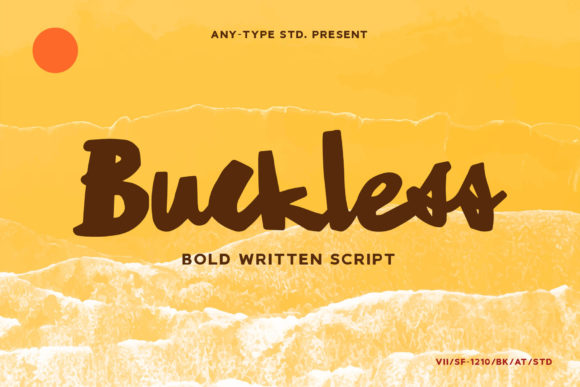
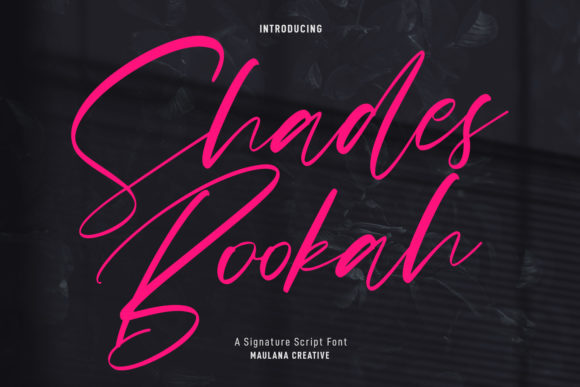
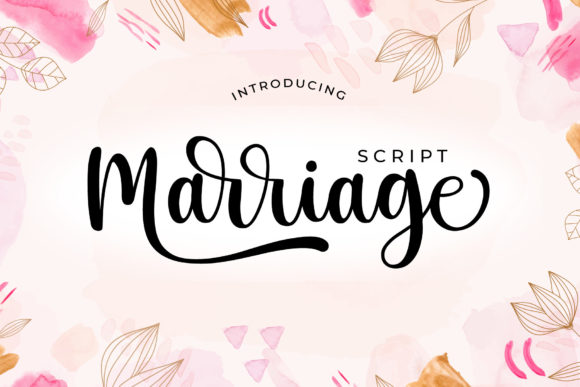
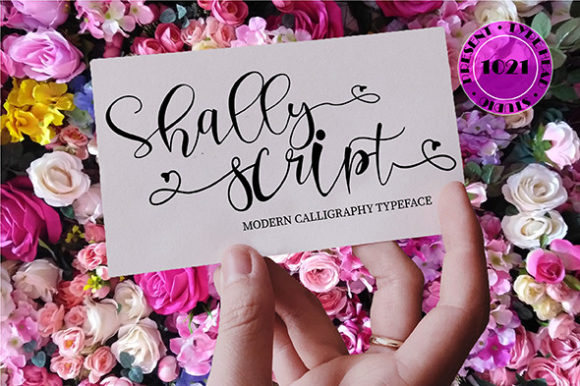
At first glance, Shally Script reads as a sophisticated handwritten font with bold, purposeful strokes. The letterforms have a natural flow—there's movement in the connections between characters, a sense that someone actually wrote these words rather than a machine generating them. But unlike many casual script typefaces, it doesn't sacrifice structure. The baselines are steady enough to hold their own in a headline. The x-height is generous enough that lowercase letters don't disappear at smaller sizes. And the overall weight gives it presence without feeling heavy or oppressive on the page.
Where This Font Actually Works
Let's get practical. A font like Shally Script earns its place in projects where personality and authenticity matter more than corporate neutrality. Think about the brands and creators who need to sound human—who need their visual language to carry warmth and individuality.
Logo design and brand identity are obvious starting points. A boutique bakery, a freelance photographer, a wellness coach, a handmade candle company—these are businesses built on personal connection. Shally Script works beautifully as a primary logotype or as a secondary element paired with a clean sans serif font for body copy. The boldness of the strokes means it holds up at various sizes, from a website header to a small favicon.
Packaging design is another natural fit. When you're standing in a store aisle, a handwritten font on a label signals craft, care, and small-batch authenticity. Shally Script carries that energy without looking like it was scrawled in a hurry. The letterforms are refined enough for premium products—artisan chocolates, specialty coffee, organic skincare—while still feeling approachable and real.
For editorial design and publishing, this typeface brings personality to magazine pull quotes, book covers, chapter headings, and blog post titles. It's particularly effective in lifestyle, food, travel, and creative content where the writing voice is conversational and the design needs to match that tone. A serif font paired with Shally Script for display headings creates a classic-meets-modern contrast that feels intentional and polished.
On the digital side, social media graphics benefit enormously from a font like this. Instagram stories, Pinterest pins, YouTube thumbnails, and promotional posts all need to grab attention in a crowded feed. Shally Script's bold weight and expressive character make it readable even at the small sizes common in mobile-first layouts. It's a creative font that doesn't require a designer's eye to look good—entrepreneurs and content creators can use it confidently in templates and still get professional-looking results.
How a Font Shapes Perception
Here's something worth understanding: the fonts you choose aren't just decorative. They're doing persuasive work beneath the surface. Typography influences how people perceive credibility, warmth, professionalism, and trustworthiness—often before they've read a single word of your actual message.
Shally Script, as a premium font with a bold handwritten style, communicates confidence and authenticity simultaneously. The weight of the strokes suggests strength and decisiveness. The organic, human quality of the letterforms suggests approachability and genuineness. Together, these qualities create a visual personality that says, I know what I'm doing, and I'm real. That's a powerful combination for small business owners, personal brands, and anyone building an audience through content.
Visual hierarchy is another consideration. A display font like Shally Script naturally draws the eye, which makes it ideal for headlines, callouts, and key phrases you want readers to notice first. The trick is using it strategically—letting it do the heavy lifting for emphasis while relying on a more neutral typeface for extended reading. A well-chosen font pairing—say, Shally Script with a geometric sans serif or a humanist serif font—creates contrast that guides the reader's attention and makes layouts feel dynamic rather than monotonous.
Consistency matters too. When you use the same typeface across your website, social media, printed materials, and packaging, you build visual recognition. People start associating that particular style with your brand. Shally Script's distinctive character makes it memorable without being so unusual that it limits your flexibility. It's recognizable enough to anchor a brand identity but versatile enough to work across different contexts and media.
Working With Shally Script in Practice
One practical advantage worth highlighting: this font is PUA encoded, which means every glyph, swash, and alternate character is accessible regardless of the software you're using. If you've ever struggled with OpenType features in programs that don't fully support them, you know how frustrating that can be. PUA encoding removes that barrier entirely. Whether you're working in Adobe Illustrator, Canva, Procreate, or a basic design app, you can access the full character set and use those decorative swashes and alternates to customize your typography.
When evaluating whether Shally Script fits your project, start by thinking about tone. Does your brand or content lean toward warmth, creativity, and personal connection? Or does it need to project corporate authority and institutional trust? This font thrives in the former category. It's a creative font built for brands and creators who want to feel approachable and genuine. If your project calls for something more neutral or institutional, a clean sans serif or traditional serif font might serve you better.
Test your font pairings before committing. Set Shally Script alongside a few different options—a bold sans serif for contrast, a delicate serif for elegance, a monospaced typeface for unexpected edge—and see which combination feels right for your specific project. Pay attention to weight balance. Because Shally Script has a bold presence, it pairs well with lighter-weight companion fonts that don't compete for attention.
Readability deserves honest attention. At display sizes—headlines, logos, large pull quotes—Shally Script is exceptionally clear. At smaller sizes, particularly in body text or fine print, handwritten fonts generally lose some legibility. Use this typeface where it shines: big, bold, and prominent. Let a more conventional font handle the small stuff.
Finally, check the licensing terms for your intended use. Commercial projects—client work, products for sale, branded materials—typically require a commercial license. Make sure the version you're using covers your needs, whether that's a single logo project or an ongoing brand identity system. It's a small detail that protects both you and the type designer who created the work.
Shally Script isn't trying to be everything. It's a bold handwritten font with a clear point of view, and that specificity is exactly what makes it useful. When the project calls for confidence, authenticity, and a human touch, it delivers.