Merianti Script: A Handwritten Font for Modern Luxury
There’s a certain energy that a truly personal touch brings to a design. In a world saturated with clean, geometric sans serif fonts and authoritative serifs, a beautifully crafted script can feel like a breath of fresh air. It’s the difference between a typed memo and a handwritten note on thick cardstock. This is the space where Merianti Script operates, not just as another script font, but as a carefully designed tool for injecting warmth, elegance, and a human signature into your work.
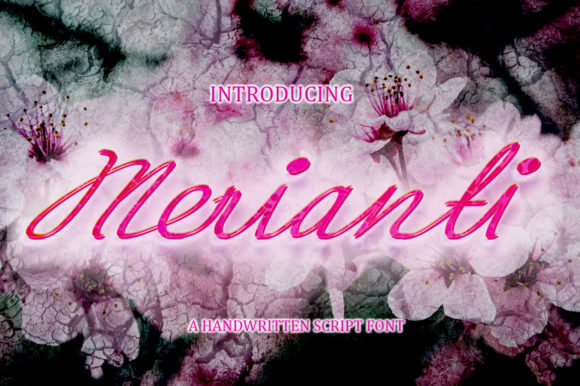
At first glance, Merianti Script presents a fluid, connected style that feels both spontaneous and refined. It avoids the overly casual, scratchy look of some handwritten fonts while steering clear of the stiff formality of traditional calligraphy. The strokes have a gentle, rhythmic flow with subtle variations in thickness that mimic the pressure of a real pen on paper. This gives it a unique personality: it’s approachable enough for a boutique bakery’s logo but sophisticated enough for a luxury brand identity. The letterforms are designed with a keen eye for balance, ensuring that even with its decorative flair, words remain cohesive and legible when used at appropriate sizes. It’s this blend of character and clarity that makes it such a versatile premium font.
Where Merianti Script Truly Shines
Understanding where a font like this works best is key to using it effectively. Think of Merianti Script as a specialty tool in your design assets kit, not a workhorse for body text. Its strength lies in display and accent roles where it can make a memorable impact without compromising readability.
In logo design, it can establish a brand’s voice instantly. Imagine it paired with a clean, geometric sans serif font for a wedding planner, a high-end florist, or a artisanal coffee roaster. The script adds the personal, handcrafted feel, while the sans serif provides stability and modernity for supporting text. This is a classic font pairing strategy that creates immediate visual hierarchy and brand recognition.
For editorial design and publishing, Merianti Script can elevate a magazine headline, a chapter title, or a pull quote, drawing the reader’s eye and adding an artistic layer. In packaging design, it’s a natural fit for product names on labels for gourmet foods, cosmetics, or boutique spirits, conveying a sense of care and premium quality. The font’s luxury spark helps products stand out on a crowded shelf.
Digital applications are equally strong. It can transform social media graphics, making quotes, announcements, and special offers feel more personal and engaging. For web design, it can be used strategically for hero section headlines or call-to-action buttons, though careful attention must be paid to screen rendering and contrast. Its impact in these spaces lies in its ability to stop the scroll and create an emotional connection, which is a valuable asset for any marketer or content creator.
Working with Merianti Script: Practical Considerations
Choosing any creative font is a decision that affects your entire project’s aesthetic and function. Here’s how to approach working with Merianti Script effectively.
Evaluate the Project Fit. Before you even install the font, ask: Does this project call for a human touch? Is the goal to feel elegant, personal, romantic, or artisanal? If you’re designing a technical manual or a corporate financial report, Merianti Script is likely the wrong choice. But for a lifestyle brand, a personal blog, a wedding invitation, or a boutique e-commerce site, it could be perfect. Always consider your audience—this font speaks to adults who appreciate craftsmanship and style.
Test Font Pairings Rigorously. Merianti Script needs partners. It rarely works well set in large blocks of text. Pair it with a highly readable serif font for a classic, sophisticated look, or with a simple, neutral sans serif font for a clean, contemporary feel. The contrast is key. Use the script for headlines, logos, or short phrases, and its partner for subheadings and body copy. Always test the pairing at the sizes you intend to use, checking for visual harmony and clear hierarchy.
Review Included Styles and Glyphs. Many premium fonts come with more than just the basic alphabet. Check if Merianti Script includes alternates, ligatures, or swashes. These are alternate character designs that can add variety and flair, helping you avoid repetitive letter shapes for a more authentic handwritten look. Knowing what’s included allows you to unlock the font’s full potential and tailor it precisely to your needs.
Prioritize Readability. This is non-negotiable. The most beautiful font fails if your audience can’t read it. Use Merianti Script at sizes where its letterforms are clear. Avoid using it for long paragraphs or small body text. Ensure there is sufficient contrast against the background color. When using it on the web, consider how it renders across different devices and browsers. A stunning headline is useless if it becomes a blurry, illegible mess on a mobile screen.
Understand the Licensing. Since Merianti Script is a commercial font, you must ensure you have the correct license for your use. Are you using it for a personal blog? A client’s logo? A product for sale? A large-scale advertising campaign? Licensing terms vary, and using a font outside its license agreement is a serious issue. Purchasing from a reputable foundry or marketplace ensures you get the proper license and support the designers who created this valuable typeface.
Ultimately, a font like Merianti Script is a powerful element in the modern typographic landscape. It offers a direct way to infuse a project with personality and perceived value. By understanding its visual strengths, applying it to the right contexts, and pairing it thoughtfully, you can leverage its unique character to create designs that are not only beautiful but also effective and memorable. It’s a testament to how a single, well-chosen design asset can significantly elevate the overall quality and impact of your creative work.