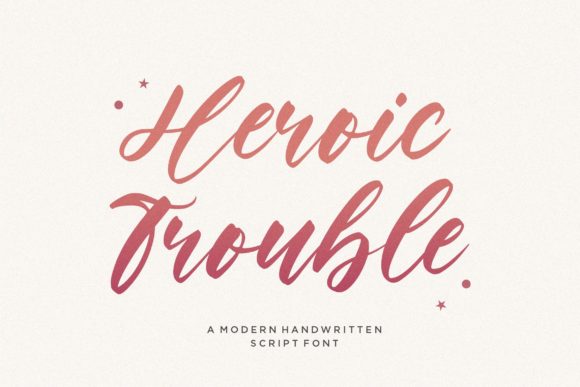
Heroic Trouble Script: Crafting Elegant Brand Identities
In the crowded landscape of digital design, finding a typeface that strikes the perfect balance between raw personality and professional polish is rare. Many script fonts lean too far into casual territory, making them illegible at smaller sizes, while others are so stiff they lose the human touch. Heroic Trouble Script occupies a distinct middle ground. It is a modern handwritten script font that captures the fluidity of natural handwriting while maintaining the structural integrity required for commercial use. For designers, entrepreneurs, and content creators, this font offers a versatile tool that adapts to various contexts, from high-end brand identity projects to intimate personal stationery.
The visual character of Heroic Trouble is defined by its rhythm and flow. Unlike rigid geometric typefaces, this script font mimics the natural movement of a pen on paper. However, it avoids the chaotic look of purely organic handwriting. The letterforms are connected with a deliberate flow that guides the eye from left to right. This makes it an excellent choice for logo design, where legibility is paramount but style cannot be sacrificed. The font carries a feminine energy without being overly frilly; it is confident, stylish, and undeniably modern. When you use Heroic Trouble Script, you are injecting a sense of human warmth into your digital assets, which can be a powerful psychological trigger for audience engagement.
The Elegance of the Monoline: Sophistication in Simplicity
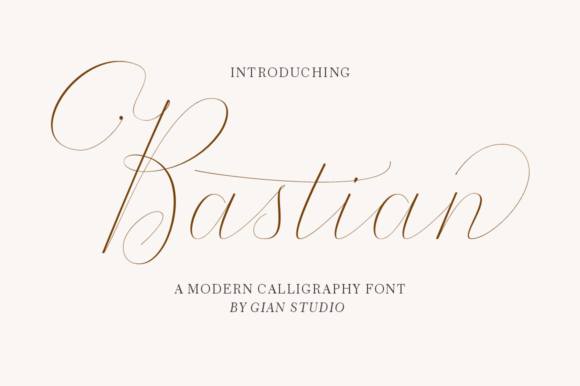
A standout feature of this typeface family is the Heroic Trouble Monoline variation. While the standard script offers dynamic stroke contrast—thick downstrokes and thin upstrokes—the Monoline version provides a refined, uniform weight. This thin-lettered and refined script font emanates sophistication and elegance in a way that feels contemporary and airy. It strips away the heavy visual weight often associated with traditional calligraphy, replacing it with a lighter, more approachable aesthetic. This makes the Monoline style particularly effective for web design headers and social media graphics where screen resolution and small viewing windows demand clarity.
The sophistication of the Monoline style lies in its restraint. It does not shout for attention; rather, it invites the viewer in with its clean lines. This is crucial for editorial design and magazine layouts. If you are designing a feature spread for a lifestyle or fashion publication, the Monoline variant can add a touch of editorial flair without overwhelming the accompanying imagery or body copy. It serves as a bridge between the digital precision of sans-serif fonts and the organic nature of handwriting. For fashion brands and clothing labels, this specific style suggests a level of taste and trend-awareness that resonates with modern consumers.
Stylistic Alternates: Unlocking Creative Flexibility
Typography is often about the details, and Heroic Trouble excels here with its extensive set of stylish alternates and ligatures. These features are not merely decorative; they are functional tools for customization. Standard lowercase letters can sometimes create awkward spacing or repetitive patterns when placed side-by-side. The alternates allow you to swap out specific letters to create a more custom, hand-lettered look. This is particularly valuable in logo design and headlines, where you want the text to look unique rather than typed out.
For example, if you are creating a logo for a boutique wedding invitation business, you might find that the standard "t" or "h" doesn't quite fit the aesthetic you want. By accessing the OpenType features, you can toggle through different versions of those letters until the composition feels balanced. The ligatures, which combine two or three letters into a single fluid shape, enhance the realism of the font. They prevent the "cut-and-paste" look that plagues lower-quality script fonts. This level of detail makes Heroic Trouble a premium font choice for professionals who understand that typography can make or break a design.
Strategic Applications: Where Heroic Trouble Shines
Understanding where to deploy a creative font like Heroic Trouble is just as important as the font itself. Because of its stylistic nature, it functions best as a display typeface—meaning it is designed for headlines, logos, and short bursts of text rather than long paragraphs. Here are practical applications where this typeface delivers real value:
- Wedding Invitations and Stationery: The font’s romantic yet legible nature makes it the perfect match for wedding invitations and cards. It sets a tone of celebration and elegance immediately.
- Packaging Design: For products like cosmetics, artisanal foods, or boutique goods, the font adds a premium feel. It suggests that the product inside is crafted with care.
- Social Media Graphics: On platforms like Instagram or Pinterest, where visual competition is fierce, the unique letterforms help stop the scroll. It is ideal for quote graphics, sale announcements, and story highlights.
- Brand Identity: Using Heroic Trouble for your wordmark or sub-mark can help a brand stand out. It works exceptionally well for businesses targeting a female demographic, such as lifestyle coaches, florists, or boutique owners.
Pairing and Professionalism: Integrating the Font into Your Workflow
One of the most common challenges with script fonts is pairing them with other typefaces. Because Heroic Trouble has a distinct personality, it requires a neutral partner to maintain visual hierarchy. A general rule of thumb in modern typography is to pair a display font with something highly functional. For Heroic Trouble, a clean sans serif font is often the best companion.
Imagine a website landing page. You might use Heroic Trouble Script for the main H1 headline to draw attention and establish the emotional tone. For the sub-headings and body text, you would switch to a geometric sans-serif. This contrast ensures readability while creating a dynamic visual rhythm. Avoid pairing it with a serif font that has high contrast, as this can create visual clutter. The goal is to let the script font be the star of the show while the supporting cast does the heavy lifting of information delivery.
Evaluating Readability and Licensing
Before finalizing your choice, it is essential to test the font in context. Readability is subjective and depends heavily on the background color, font size, and surrounding elements. Test Heroic Trouble at various sizes to ensure the ligatures don't merge illegibly on mobile screens. Additionally, if you are working on a commercial project, you must verify the licensing. Since Heroic Trouble is a commercial font, ensure your license covers the specific usage—whether it is for a single client, a digital product like a printable PDF, or a high-volume packaging design run.
Ultimately, Heroic Trouble Script is more than just a collection of letters; it is a design asset