Delaney Script: A Brush Font That Brings Authentic Energy
From Paper to Pixel: The Organic Nature of Delaney Script
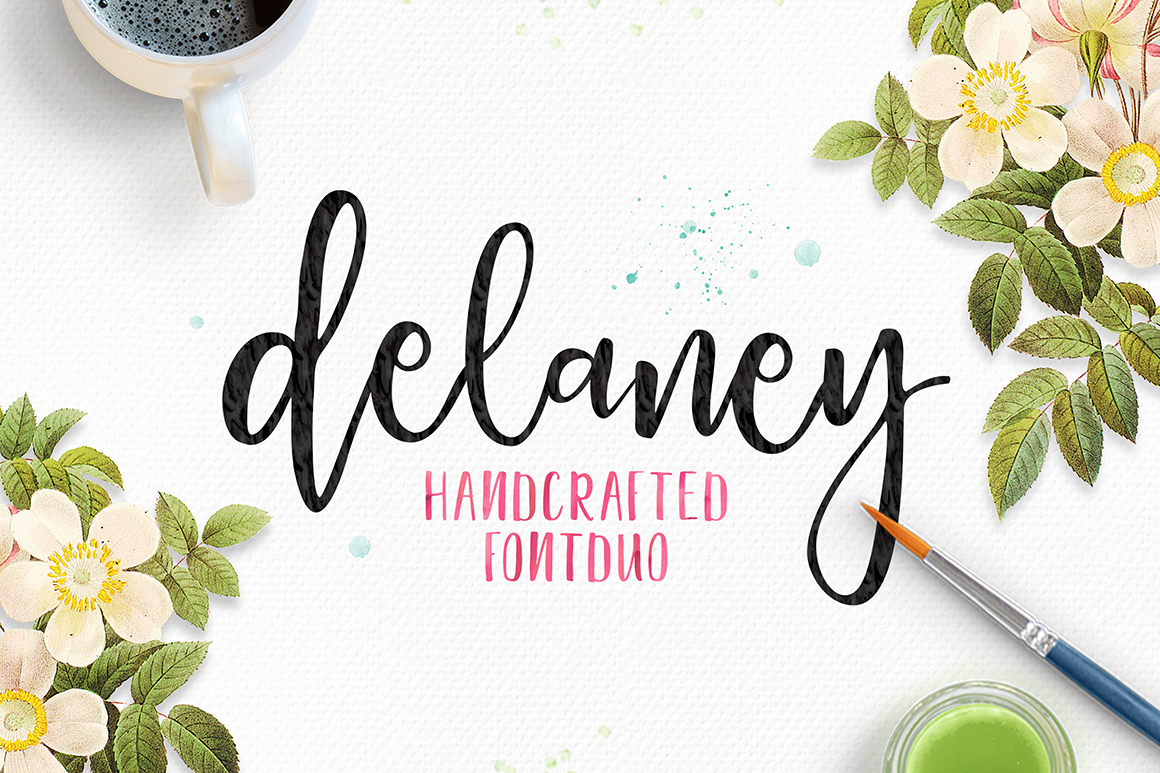
There is a distinct difference between a font that mimics a handwriting style and one that actually originates from it. Delaney Script falls firmly into the latter category. It began its life not on a grid, but on paper, crafted with a hand-brush and ink. This origin story is crucial for designers because it dictates the font’s behavior. When you use Delaney Script, you aren't just applying a filter to text; you are incorporating the natural variations and pressure changes of a human hand. The digital perfection process retained the ink splatters and the slight imperfections that give the typeface its soul, ensuring it doesn't look sterile or overly manufactured.
The defining characteristic of this script font is its flowing baseline. Unlike traditional serif font or sans serif font families that sit on a rigid horizontal line, Delaney Script dances. The letters connect in a way that feels fluid, mimicking the natural movement of a wrist moving quickly across a page. This creates a sense of rhythm and energy that static fonts often lack. For a brand identity that needs to feel approachable, energetic, or artisanal, this movement is invaluable. It signals to the viewer that there is a real human behind the brand, not just a corporation.
The Personality of the Brush: Where Style Meets Strategy
Every typeface carries a personality, and Delaney Script speaks with a voice that is confident, casual, and creative. It sits comfortably in the realm of modern typography, bridging the gap between the chaotic nature of raw graffiti and the legibility required for commercial use. It is a premium font that avoids the stiffness of formal calligraphy. Instead, it offers a "lived-in" aesthetic that appeals to millennials and Gen Z audiences who value authenticity over polish.
When evaluating a creative font like this, you have to look at the specific glyphs. The capital letters in Delaney Script often feature dramatic flourishes, making them perfect for drop caps or large initials. The lowercase letters, meanwhile, maintain a consistent x-height that aids in readability. This duality makes it a versatile display font. It commands attention when scaled up for headlines but retains enough composure to be used for short bursts of body copy or pull quotes in editorial design.
Practical Applications: From Logos to Packaging
Finding the right context for a handwritten font is half the battle. Delaney Script excels in environments where personality is prioritized over strict corporate uniformity. It is an exceptional choice for logo design, particularly for lifestyle brands, boutique agencies, coffee shops, and fitness studios. The brush strokes convey movement and vitality, which works well for brands promoting action or creativity.
Beyond the logo, consider the applications in packaging design. If you are designing a label for a craft product—whether it’s hot sauce, artisanal soap, or a local brewery—Delaney Script provides the instant "homemade" feel that consumers look for. It pairs beautifully with textured backgrounds like kraft paper or recycled cardboard. The font’s texture interacts with the substrate, creating a cohesive tactile and visual experience.
Digital and Print Synergy
In the digital space, web design and social media graphics often suffer from looking too generic. Using a script font like Delaney can break the monotony of the sans-serif fonts dominating the web. It works exceptionally well for Instagram quote graphics, YouTube thumbnails, and website hero sections. However, because it is a display font, it should be used sparingly in digital environments to maintain fast load times and user focus. It is not meant for long-form blog posts, but rather for the headers that guide the reader’s eye.
For marketers and entrepreneurs, the font serves as a powerful tool for visual hierarchy. Using Delaney Script for a headline creates a clear distinction from the informational body text. This contrast guides the viewer’s attention exactly where you want it, improving engagement rates on landing pages and print ads alike.
Mastering the Pair: Font Pairing and Hierarchy
A premium font rarely works in isolation. The true power of Delaney Script is unlocked through effective font pairing. Because Delaney is expressive, ornate, and textured, it requires a partner that is quiet and structured. Pairing it with another script font or a decorative serif font will result in visual chaos and illegibility.
Instead, look for a clean, geometric sans serif font for your supporting text. Fonts like Montserrat, Roboto, or Open Sans provide the neutral backdrop that Delaney Script needs to shine. The contrast between the organic brush strokes and the mathematical precision of a sans-serif creates a balanced, professional aesthetic. This combination is a staple in modern typography because it balances emotion (the script) with logic (the sans-serif).
When building your layout, treat Delaney Script as the "seasoning" of your design. It adds flavor, but too much can ruin the dish. Use it for:
- Main Headlines and Titles
- Logo Markers and Wordmarks
- Call-to-Action Buttons (where text is large)
- Watermarks on photography
Technical Considerations and Licensing
Before integrating any new design assets into your workflow, you must consider the technical constraints. As a hand-brushed font, Delaney Script is highly sensitive to sizing. At very small point sizes, the intricate details of the ink strokes can merge together, turning your text into a blurry blob. Always test the font at the size it will be viewed in its final environment. If you are using it for mobile web design, ensure the text remains legible on smaller screens.
Furthermore, as a commercial font, licensing is a critical factor for business owners and agencies. Ensure you purchase the correct license for your needs. A standard desktop license covers print materials and logos, but if you intend to use Delaney Script in a website's CSS or within a mobile app, you will likely need a webfont or app license. Respecting the licensing terms ensures you are legally protected and supports the type designers who created this asset.
Readability and Accessibility
While style is important, readability is the primary function of text. Delaney Script offers decent legibility for a brush font, but you must be mindful of letter spacing (tracking). Because the letters connect, tightening the tracking too much can cause the ascenders and descenders to collide. Give the text room to breathe. Additionally, maintain high contrast between the text color and the background. Brush fonts often have thinner strokes than bold sans-serifs, so a dark grey text on a light grey background will fail accessibility standards quickly.
Elevating Your Creative Projects
For designers, bloggers, and content creators, the tools you choose define your output. Delaney Script is more than just a collection of vector points; it is a creative font that brings a human element back into digital design. It allows you to inject personality into a brand without sacrificing professionalism.
Whether you are designing a wedding invitation, a social media campaign, or a product label, this font offers a solution that is both trendy and timeless. It captures the essence of the "maker movement" and the desire for authenticity in a digital age. By understanding its strengths—its organic baseline, its brush texture, and its pairing potential—you can use Delaney Script to create work that resonates deeply with your audience.